

Understanding what temporary works actually involve
When we look at a finished skyscraper or a newly opened bridge, we often marvel at the architecture and the engineering of the permanent structure. However, what people rarely see is the complex web of structures that made that build possible in the first place. These are known as temporary works. They are the bits of the project that aren’t intended to stay there once the job is done, but without them, the permanent structure could never be built safely or efficiently.
Temporary works can include anything from the scaffolding wrapped around a building to the massive cofferdams used to hold back water during bridge pier construction. It also covers things like shoring for excavations, formwork and falsework for concrete pouring, and even the platforms used for heavy cranes. Because these structures are temporary, there is sometimes a dangerous misconception that they require less care than the final building. In reality, the opposite is true. Most structural failures on construction sites happen during the temporary works phase, which is exactly why the role of a Temporary Works Coordinator is one of the most important positions on any modern site.
Why the role of a Temporary Works Coordinator is so critical
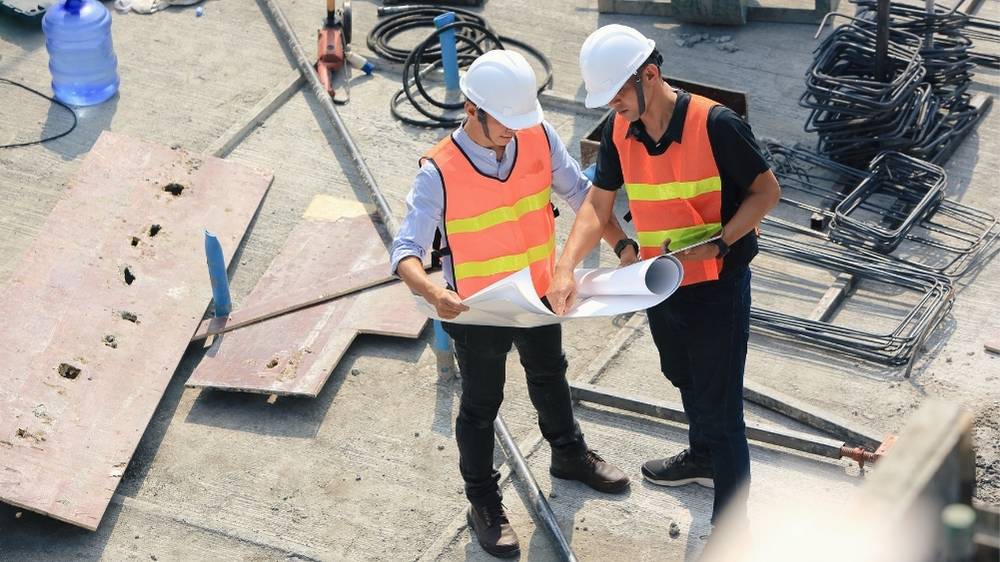
The role isn’t just about ticking boxes or filling out paperwork for the sake of it. It is a highly responsible position that centres on coordination and communication. In the UK, the British Standard BS 5975 provides the code of practice for temporary works, and it makes it very clear that a designated person must be in charge of the process to ensure nothing falls through the cracks.
A coordinator acts as the bridge between the designers who create the plans for these temporary structures and the site team who actually builds them. Without this central point of contact, it is all too easy for a site manager to assume a scaffold is ready for use, or for a subcontractor to remove a vital prop too early, leading to a catastrophic collapse. The coordinator ensures that every piece of temporary work is designed, checked, installed, and dismantled according to a strict set of safety protocols.
Managing the Temporary Works Register
One of the primary tools used by a coordinator is the Temporary Works Register. This is essentially a live document that tracks every single item of temporary works on a project. It isn’t just a list; it is a management tool that records the following information:
- The specific item of temporary works (e.g., a specific section of trench support).
- The risk category of the work (ranging from simple tasks to highly complex engineering).
- Who is responsible for the design and the design check.
- The current status of the work (designed, installed, checked, or dismantled).
- The dates for when permits were issued or withdrawn.
By maintaining this register, the coordinator can see at a glance exactly what is happening across the entire site. It prevents the ‘forgotten’ bits of kit from becoming a safety hazard and ensures that nothing is overlooked as the project moves through different phases.
Coordinating between designers and site teams
A significant part of the job involves the ‘design brief.’ The coordinator doesn’t necessarily have to be the person who designs the scaffolding or the formwork, but they must ensure that a competent designer is given all the right information. If the ground conditions are poor, or if there are specific wind loads to consider, the coordinator must make sure the designer knows about it. Once the design is finished, the coordinator then organises an independent check to verify that the design is actually fit for purpose. This ‘second pair of eyes’ culture is what prevents mistakes from turning into accidents.
The day to day reality of the job
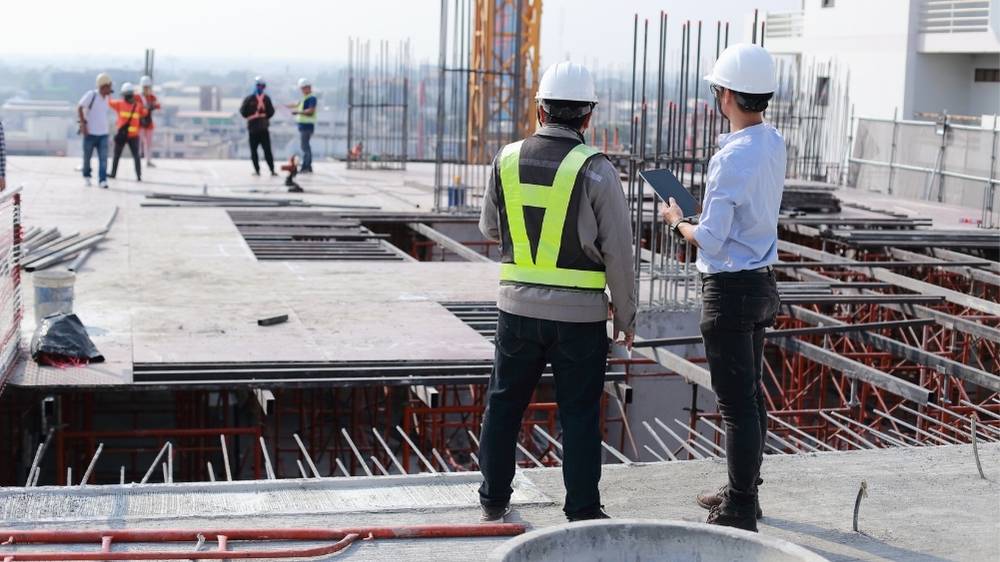
If you were to follow a coordinator around a site for a day, you would see that they spend a lot of time talking to people. They aren’t just sat in a cabin; they are out on the ground, inspecting installations and talking to the foremen. They need to have a high level of technical knowledge, but they also need the authority to stop work if they see something that doesn’t match the design drawings.
Construction sites are fast-paced environments. There is always pressure to meet deadlines and keep the programme moving. However, the coordinator must remain firm. If a concrete pour is scheduled for 2:00 PM but the falsework hasn’t been signed off, the coordinator is the one who has to stand their ground and say ‘no’ until the safety checks are complete. It requires a certain type of personality—someone who is organised, detail-oriented, and able to handle pressure from project managers who might be more focused on the schedule than the structural nuances of a temporary prop.
Issuing permits and ensuring safety
The ‘Permit to Load’ and ‘Permit to Unload’ system is the heartbeat of temporary works management. No one is allowed to put weight on a temporary structure—whether that’s pouring concrete into formwork or placing materials on a scaffold—until the coordinator has issued a formal Permit to Load. This permit is only signed once the coordinator is satisfied that the structure has been built exactly as the designer intended and has been properly inspected. Similarly, the Permit to Unload ensures that the structure isn’t dismantled while it is still supporting a load, or in a way that would make it unstable.
What you need to know about the training process
Because the stakes are so high, you cannot simply ‘fall into’ this role. It requires specific training and a clear understanding of the legal and technical frameworks involved. Most people who move into this position already have a background in site management, civil engineering, or a senior trade role. They then undertake a specialised course to understand the specific requirements of BS 5975 and the procedural side of the job.
The training covers everything from the legal background and health and safety legislation to the practicalities of managing designers and contractors. It also teaches you how to identify potential failures before they happen. It is as much about ‘soft skills’ like management and communication as it is about the technical aspects of structural loads and soil types.
The difference between a coordinator and a supervisor
It is quite common for people to confuse the role of the coordinator with that of a Temporary Works Supervisor (TWS). While they work closely together, their responsibilities are distinct. The supervisor is usually more ‘hands-on’ and focused on a specific area of the site or a specific trade. They might supervise the actual erection of the scaffolding or the installation of the timbering in a trench. They report back to the coordinator, who retains the overall responsibility for the entire project’s temporary works strategy. The coordinator is the ‘macro’ manager, while the supervisor is the ‘micro’ manager on the ground.
Common challenges faced by coordinators on busy projects
One of the biggest hurdles in this role is the sheer variety of temporary works. On a single project, you might be dealing with:
- Propping and shoring in an old basement.
- Large-scale tower crane bases.
- Complex facade retention systems.
- Simple site hoarding and fencing.
Each of these requires a different level of scrutiny and a different type of expertise. Another challenge is the ‘it’ll be fine’ attitude that can sometimes creep into a busy site. A contractor might think they can skip a minor detail in the design to save an hour of work. The coordinator’s job is to recognise these shortcuts and explain why they are dangerous. It is about building a culture where everyone understands that the temporary stuff is just as important as the permanent stuff. When a project finishes without a single structural incident, it is often thanks to the invisible, diligent work of the person in this role.

Emily Clarke specializes in lifestyle journalism, offering expert tips, industry insights, and thoughtful perspectives on current events. She has a keen eye for trends and a talent for making complex topics accessible.